Kelulut honey is a unique type of honey produced by stingless bees, primarily from the Trigona species, native to Southeast Asia, including Malaysia and Indonesia. Unlike conventional honey from European honeybees, Kelulut honey has a lighter color, a tangy-sweet taste, and a slightly watery texture. It is prized not only for its flavor but also for its medicinal and wellness properties.
How Kelulut Honey Is Made
Stingless bees collect nectar from a variety of tropical flowers and store it in small, pot-like honey pots inside their hives. Because these bees are stingless and their colonies are small, beekeepers harvest the honey carefully to ensure sustainability. The honey often contains trace amounts of pollen and propolis, which contribute to its healthful qualities.
Perceived Health Benefits
Kelulut honey has been traditionally valued for its therapeutic properties, including:
- Antioxidant effects: Helps combat free radicals, potentially supporting healthy aging.
- Anti-inflammatory properties: May help soothe minor inflammations and promote overall wellness.
- Digestive support: Often consumed to aid gut health due to natural enzymes and beneficial compounds.
- Immune support: Believed to strengthen the body’s natural defenses.
Scientific studies are increasingly investigating Kelulut honey, and preliminary research suggests it has higher antioxidant activity than many conventional honeys.
Culinary and Lifestyle Uses
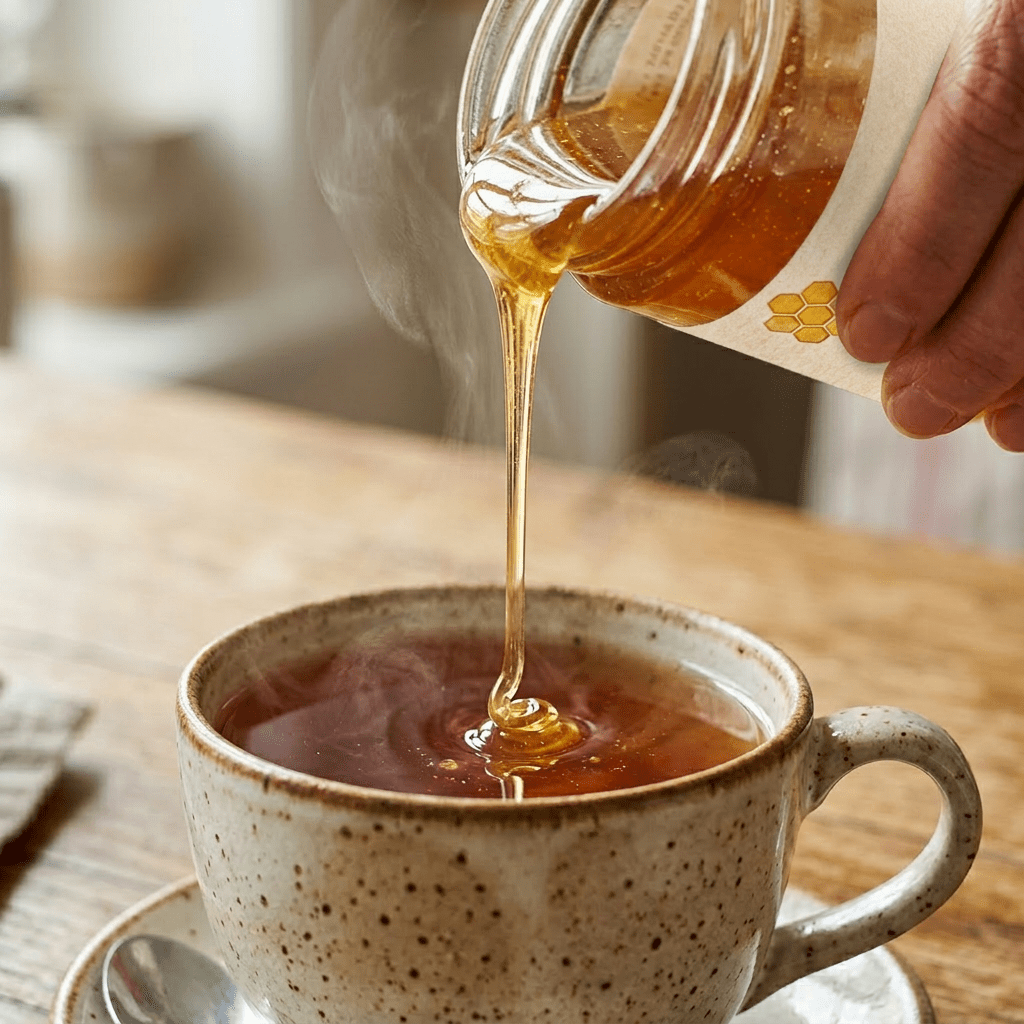
Kelulut honey is enjoyed as a natural sweetener for teas, smoothies, or desserts, and it can be eaten directly by the spoonful. Its distinctive taste and healthful reputation have made it popular among health-conscious consumers and traditional medicine practitioners alike.
Kelulut honey is more than a sweet treat—it represents a harmonious relationship between humans and nature, harvested from the tiny, stingless bees that quietly play a big role in pollination and ecological balance.
 Tapak Dara Bali