Stingless Bees: Nature’s Tiny, Gentle Pollinators
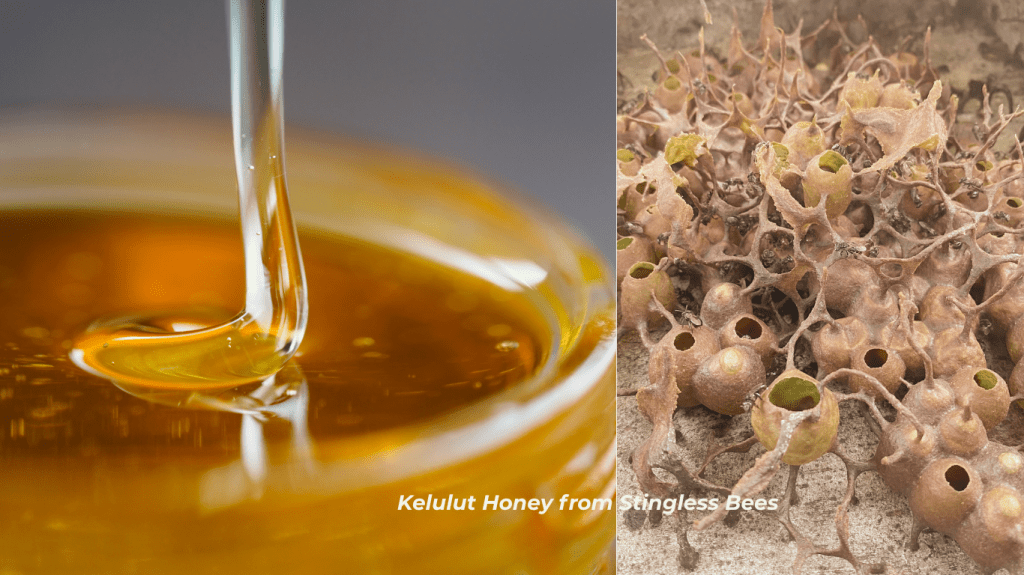
Stingless bees are a fascinating group of bees found in tropical and subtropical regions around the world, including Southeast Asia, Africa, and Australia. Unlike honeybees or bumblebees, as their name suggests, these bees cannot sting, making them gentle and easy to observe. They belong to the Meliponini tribe and are important both ecologically and culturally.
Characteristics of Stingless Bees
- Size and appearance: Typically small, ranging from 2 to 5 millimeters in length. They are often dark brown or black and sometimes covered in fine hairs.
- Social behavior: Stingless bees live in large, highly organized colonies with a queen, workers, and males. Their nests are built in tree hollows, underground cavities, or even in man-made hives.
- Honey production: They produce a unique type of honey that is less sweet than typical honeybee honey but rich in antioxidants and medicinal compounds.
Ecological Importance
Stingless bees are excellent pollinators, visiting a wide variety of flowers, including fruits, vegetables, and wild plants. Their role is crucial for maintaining biodiversity and supporting agriculture, especially in tropical regions where they thrive.
Cultural and Economic Value
In many countries, stingless bee honey is highly prized for its medicinal properties, including antimicrobial and anti-inflammatory benefits. Beekeeping for stingless bees, known as meliponiculture, is a growing sustainable practice that provides income while conserving local ecosystems.
Fun Fact
Despite their tiny size and lack of a sting, stingless bees can defend their nests using biting and sticky resin, showing that even the gentlest bees have clever ways to protect themselves.
Stingless bees are a reminder of the diversity and ingenuity of nature—tiny, stingless, and yet mighty in their ecological impact.
Kelulut Honey: The Sweet Treasure of Stingless Bees

Kelulut honey is a unique type of honey produced by stingless bees, primarily from the Trigona species, native to Southeast Asia, including Malaysia and Indonesia. Unlike conventional honey from European honeybees, Kelulut honey has a lighter color, a tangy-sweet taste, and a slightly watery texture. It is prized not only for its flavor but also for its medicinal and wellness properties.
How Kelulut Honey Is Made
Stingless bees collect nectar from a variety of tropical flowers and store it in small, pot-like honey pots inside their hives. Because these bees are stingless and their colonies are small, beekeepers harvest the honey carefully to ensure sustainability. The honey often contains trace amounts of pollen and propolis, which contribute to its healthful qualities.
Perceived Health Benefits
Kelulut honey has been traditionally valued for its therapeutic properties, including:
- Antioxidant effects: Helps combat free radicals, potentially supporting healthy aging.
- Anti-inflammatory properties: May help soothe minor inflammations and promote overall wellness.
- Digestive support: Often consumed to aid gut health due to natural enzymes and beneficial compounds.
- Immune support: Believed to strengthen the body’s natural defenses.
Scientific studies are increasingly investigating Kelulut honey, and preliminary research suggests it has higher antioxidant activity than many conventional honeys.
Culinary and Lifestyle Uses
Kelulut honey is enjoyed as a natural sweetener for teas, smoothies, or desserts, and it can be eaten directly by the spoonful. Its distinctive taste and healthful reputation have made it popular among health-conscious consumers and traditional medicine practitioners alike.
Kelulut honey is more than a sweet treat—it represents a harmonious relationship between humans and nature, harvested from the tiny, stingless bees that quietly play a big role in pollination and ecological balance.
Daily Guide to Enjoying Kelulut Honey

Kelulut honey, harvested from stingless bees, is a natural sweetener with potential health benefits. Incorporating it into your daily routine is easy and enjoyable.
1. Start Your Morning
- Take 1 teaspoon of Kelulut honey on an empty stomach.
- Optional: Mix with warm water or herbal tea.
- Benefit: May help support digestion and provide a gentle energy boost.
2. Add to Beverages
- Sweeten your tea, coffee, or smoothies naturally.
- Kelulut honey’s mild, tangy flavor complements green tea, lemon water, or coconut water.
3. Use in Breakfast
- Drizzle over oatmeal, yogurt, or fruit bowls.
- Sprinkle on whole-grain toast instead of sugar.
- Benefit: Provides antioxidants and adds a natural sweetness without processed sugar.
4. Midday Snack
- Stir a teaspoon into herbal infusions or eat directly for a natural pick-me-up.
- This is especially helpful during long workdays or after exercise.
5. Nighttime Routine
- Mix Kelulut honey with warm milk or herbal tea before bed.
- Benefit: Supports relaxation and may help soothe minor throat irritation.
6. Storage Tips
- Keep honey in a cool, dry place away from direct sunlight.
- Avoid heating above 40°C (104°F) to preserve enzymes and antioxidants.
7. General Guidelines
- A daily intake of 1–2 teaspoons is sufficient for most people.
- Kelulut honey is natural, but moderation is key as it is still a source of sugar.
Tip: The best way to enjoy Kelulut honey is raw and unprocessed, allowing you to experience its full flavor and health benefits.
 Tapak Dara Bali